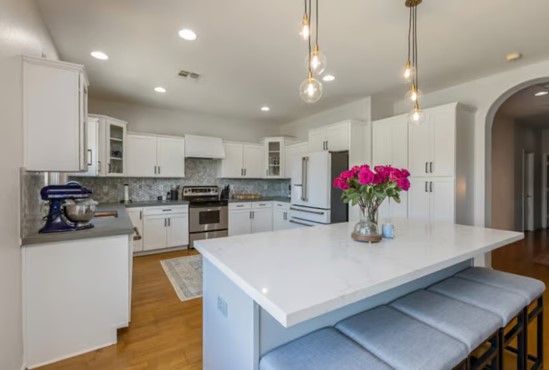
When it comes to home renovations, the kitchen often takes center stage. It’s the heart of the home, where families gather, meals are prepared, and memories are made. If you’re considering a kitchen remodel, hiring the right kitchen designers in Chicago can make all the difference. With so many options available, it can be overwhelming to choose the right professional who aligns with your vision and budget. This article will provide you with valuable insights and tips for hiring kitchen designers that fit your needs.
Understanding the Role of Kitchen Designers
Before diving into the hiring process, it’s essential to understand what kitchen designers do. They are professionals who specialize in creating functional and aesthetically pleasing kitchen spaces. From layouts to materials, kitchen designers can help you transform your ideas into reality. They often collaborate with contractors, architects, and other tradespeople to ensure your kitchen is both beautiful and functional.
Key Responsibilities of Kitchen Designers
- Space Planning: Designers create layouts that optimize space, ensuring a functional workflow and maximizing storage.
- Material Selection: They provide advice on countertops, cabinetry, flooring, and fixtures, guiding you toward options that fit your style and budget.
- Design Development: Kitchen designers develop detailed plans that include 3D renderings, helping you visualize the final product.
- Project Management: They oversee the project from conception to completion, coordinating with contractors and ensuring timelines are met.
Why Hire a Kitchen Designer in Chicago?
Hiring a kitchen designer in Chicago offers several advantages:
- Expertise and Experience: Designers bring years of experience and knowledge about design trends, materials, and construction techniques. They understand the unique challenges posed by Chicago homes, from vintage architecture to modern layouts.
- Customized Solutions: They can tailor designs to fit your specific needs, preferences, and budget. Whether you want a sleek modern kitchen or a cozy traditional space, a designer will help you achieve your vision.
- Project Management: A good designer will manage the project, ensuring that everything runs smoothly and stays on schedule. They handle the logistics, so you don’t have to worry about the details.
- Access to Resources: Designers often have connections with suppliers and contractors, which can lead to better pricing and quality materials. They can also recommend trusted professionals for other aspects of your renovation.
Tips for Hiring Kitchen Designers in Chicago
1. Define Your Vision and Budget
Before you start searching for a kitchen designer, take some time to define your vision. What do you want your new kitchen to look like? Consider the layout, style, colors, and features that are important to you.
How to Define Your Vision
- Inspiration Boards: Create an inspiration board using platforms like Pinterest or Houzz. Collect images that resonate with you, such as color schemes, layouts, and specific features.
- Functional Needs: Think about how you use your kitchen. Do you need extra storage for cooking gadgets? Would an island be beneficial for meal prep and socializing?
Additionally, establish a budget that realistically reflects what you can afford. This will help narrow down your options and ensure that you find a designer who can work within your financial limits.
2. Research Local Designers
Start your search by looking for kitchen designers in Chicago. Utilize online resources, social media, and local directories to compile a list of potential candidates.
Where to Look
- Online Directories: Websites like Yelp, Angie’s List, and Houzz can provide reviews and ratings.
- Social Media: Instagram and Facebook can showcase designers’ portfolios and client testimonials.
- Local Recommendations: Ask friends, family, or real estate agents for recommendations.
Pay attention to their portfolios, which will give you an idea of their style and expertise. Look for designers who have experience with projects similar to yours.
3. Check Reviews and Testimonials
Once you have a list of potential designers, check their reviews and testimonials. Websites like Google, Yelp, and Houzz can provide insights from previous clients.
What to Look For
- Quality of Work: Are clients satisfied with the final results?
- Communication Skills: Did clients feel heard and understood throughout the process?
- Timeliness: Did the project finish on schedule?
Positive testimonials can indicate a designer’s reliability and quality of work.
4. Schedule Consultations
After narrowing down your options, schedule consultations with your top picks. Many designers offer free initial consultations, which provide an opportunity to discuss your project and gauge their understanding of your vision.
Questions to Ask During Consultations
- What is your design process?
- How do you handle budgeting and costs?
- Can you provide references from past clients?
- What is your availability for my project?
- How do you manage unexpected challenges during a project?
5. Assess Communication and Compatibility
During the consultation, pay attention to how well the designer communicates. Are they listening to your ideas and concerns? Do they provide valuable insights and suggestions?
Importance of Compatibility
A good designer should be collaborative and open to your input while also guiding you with their expertise. Compatibility is crucial, as you’ll be working closely together throughout the project.
6. Review Their Portfolio
Ask to see a portfolio of completed projects to assess the designer’s style and capabilities. Look for diversity in their work, as well as a consistent level of quality.
Signs of a Good Portfolio
- Variety: The designer should showcase a range of styles and projects.
- Attention to Detail: Look for well-thought-out designs that consider both aesthetics and functionality.
- Before-and-After Comparisons: These can illustrate the designer’s ability to transform spaces.
If possible, visit some of their completed projects in person, or request to see before-and-after photos to understand their transformation skills.
7. Discuss Your Budget
Once you’ve found a designer you feel comfortable with, discuss your budget in detail. A professional designer should be able to provide you with a transparent estimate of costs, including materials, labor, and any additional fees.
Budgeting Tips
- Be Upfront: Share your budget constraints openly to avoid misunderstandings.
- Ask About Cost-Saving Options: Designers may have suggestions for materials or layouts that can help you stay within budget.
- Consider Contingency Funds: It’s wise to set aside extra money for unexpected expenses that may arise during the project.
8. Understand the Design Process
Different designers may have different approaches to the design process. Familiarize yourself with how they work, from concept development to final installation.
Common Steps in the Design Process
- Initial Consultation: Discuss your needs and preferences.
- Design Development: The designer creates a layout and selects materials.
- Final Approval: You review and approve the design before construction begins.
- Project Execution: The designer oversees the construction and installation phases.
- Final Walkthrough: Once completed, you review the work with the designer to ensure satisfaction.
A clear understanding of the timeline and milestones will help you manage expectations throughout the project.
9. Ask About Materials and Suppliers
Inquire about the materials and suppliers the designer typically works with. A knowledgeable designer should have access to high-quality materials that fit your budget.
Factors to Consider
- Quality vs. Cost: Discuss the pros and cons of various materials and finishes.
- Supplier Relationships: A designer with good relationships may secure better pricing and availability.
They can also guide you on the best options to achieve the desired look and functionality for your kitchen.
10. Request a Detailed Contract
Before commencing work, ensure that you have a detailed contract outlining the scope of the project, timeline, costs, and payment schedule.
Key Elements of a Good Contract
- Scope of Work: Clearly defined tasks and responsibilities.
- Payment Schedule: Milestones for payments based on project phases.
- Timeline: Estimated completion dates for different stages of the project.
- Change Order Procedures: Guidelines for handling changes to the original plan.
This contract protects both you and the designer, ensuring that everyone is on the same page regarding expectations and responsibilities.
Additional Considerations When Hiring Kitchen Designers
1. Sustainability and Eco-Friendly Options
If you are environmentally conscious, discuss sustainable options with your designer. They can recommend eco-friendly materials, energy-efficient appliances, and designs that minimize waste.
2. Trends in Kitchen Design
Stay informed about current trends in kitchen design. Popular trends include open floor plans, smart home technology, and mixed materials. A good designer should be familiar with these trends and how to incorporate them into your space effectively.
3. Consider Future Needs
Think about your long-term needs when designing your kitchen. If you plan to grow your family or age in place, consider features that will accommodate those changes, such as accessible storage or adaptable layouts.
4. Kitchen Functionality
Ensure that the design prioritizes functionality. Consider the work triangle— the relationship between the sink, stove, and refrigerator. A well-planned kitchen should make cooking and entertaining efficient and enjoyable.
5. Explore Technology Integration
Modern kitchens often incorporate technology for convenience and efficiency. Discuss options for smart appliances, integrated lighting systems, and even touchless faucets with your designer.
Conclusion
Hiring a kitchen designer in Chicago can transform your kitchen into a space that reflects your style and meets your functional needs. By following these tips and doing your research, you can find a designer who aligns with your vision and budget.
Remember, communication and compatibility are key to a successful partnership. Take your time, ask questions, and trust your instincts. With the right kitchen designer by your side, your dream kitchen is within reach. Whether you’re looking to enhance functionality, modernize your space, or prepare for resale, the right designer will guide you through the process, ensuring that your new kitchen is not only beautiful but also a joy to use.

